
Apex predator facts for kids
An apex predator is a super cool animal at the very top of its food chain. Think of it like the king or queen of its habitat! These animals don't have any natural predators that hunt them for food. They are the hunters, not the hunted.

Apex predators are important because they help keep nature balanced. They are at the highest "trophic level," which is a fancy way of saying they are at the top of the feeding pyramid. For example, wolves often hunt large plant-eating animals (like deer), which eat plants. This makes wolves secondary consumers, but still apex predators in their environment.
These amazing hunters have been around for a very long time! Some of the earliest known apex predators lived in the ancient seas during the Cambrian period, over 500 million years ago. Animals like Anomalocaris were the top hunters back then.
Humans have always had a special connection with apex predators. For centuries, people have worked with animals like wolves (and later dogs), eagles, and cormorants to help them hunt. Today, we also interact with these powerful animals through ecotourism, like watching tiger sharks, and through efforts to bring back animals like the Iberian lynx to their natural homes.
Contents
The Important Jobs of Apex Predators in Nature
How Apex Predators Help Animal Communities
.jpg)
Apex predators play a huge role in how animal groups (called communities) live and grow. They affect the numbers of their prey and even other smaller predators. For instance, in lakes, if a new type of predatory fish is introduced, it can sometimes cause big problems for the fish that used to be in charge.
A study once showed that when a non-native fish was removed from a lake, the native lake trout (which is an apex predator) started eating more different kinds of food and became even more important in the food chain.
On land, animals like the badger are apex predators. They hunt and also compete with smaller predators like the hedgehog for food such as insects, small mammals, and bird eggs. When badgers were removed in one study, the number of hedgehogs more than doubled! This shows how much apex predators can control other animal populations. Predators that have such a big impact on their environment are often called keystone species. Think of a keystone in an archway – if you remove it, the whole arch can fall apart!
How Apex Predators Shape Entire Ecosystems
Apex predators can change whole ecosystems in big ways. They control how many prey animals there are and keep smaller predators in check. They are super important for keeping ecosystems healthy, controlling diseases, and making sure there's a wide variety of life (biodiversity).
For example, when Arctic foxes were brought to some islands, they hunted so many seabirds that the grassy areas turned into tundra (a colder, treeless landscape). These big changes that happen down the food chain are called trophic cascades.
When top predators are removed, often by humans, it can mess up these cascades. For instance, when many sperm whales (huge ocean predators) were hunted, the number of large squid they used to eat increased. This effect, where smaller predators thrive when the top ones are gone, is called "mesopredator release." It happens on land and in the ocean. In North America, many top carnivores have lost their habitats, while smaller predators have spread out.
Protecting Apex Predators for a Healthy Planet
Because apex predators have such a strong influence on other predators, plant-eaters, and plants, they are vital for nature conservation. Sadly, humans have hunted many apex predators to near extinction. But in some places, these amazing animals are making a comeback!
However, they face new threats, especially from climate change. For example, polar bears need lots of sea ice to hunt seals, their main food. But climate change is shrinking the Arctic sea ice. This forces polar bears to go without food on land for longer and longer times.
A great example of how important apex predators are happened in Yellowstone National Park. When gray wolves were brought back to the park in 1995, it caused amazing changes. The wolves' main prey, elk, became less common and changed where they grazed. This allowed plants like willows and aspens to grow tall again near rivers, creating new habitats for beavers, moose, and many other animals.
The wolves also helped other animals, like the grizzly bear. After waking up from hibernation, bears often looked for wolf kills to scavenge, especially in autumn when they needed to eat a lot before hibernating again. This extra food helped grizzly bears have more cubs. Many other animals, like eagles, ravens, and coyotes, also scavenge from wolf kills, showing how one predator can help so many others.
-
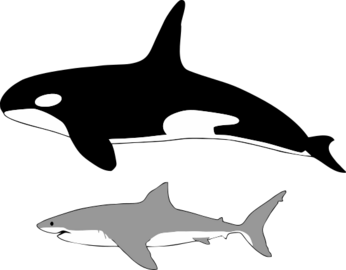
The great white shark (bottom) is one of the top marine predators; however, the orca (top) is known to prey upon them.
-
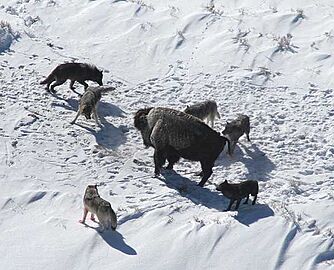
The wolf is both an apex predator and a keystone species, affecting its prey's behaviour and the wider ecosystem.
-
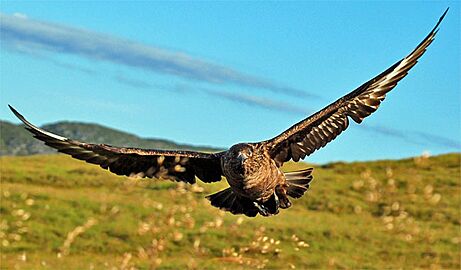
The great skua is an aerial apex predator, both preying on other seabirds and bullying them for their catches.
-
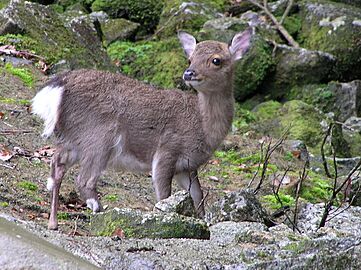
Animal populations on islands, which sometimes naturally lack apex predators, can be controlled by natural processes even without human help.


Are Humans Apex Predators?

Scientists have different ideas about whether humans are truly apex predators. Some researchers, like Sylvain Bonhommeau and his team, looked at what people eat around the world. They found that on average, humans eat a lot of plants and animals that eat plants. This would place humans at a trophic level similar to animals like anchovies or pigs, which are not considered apex predators. For example, people in Burundi eat mostly plants, while people in Iceland eat more meat and fish.
However, other scientists, like Peter D. Roopnarine, disagree. He argued that if you look at specific environments, like certain ocean areas, humans mainly eat large predatory fish. In these cases, humans would be at a very high trophic level, making them apex predators in those specific places.
More recently, in 2021, Miki Ben-Dor and his team studied human biology, including things like our tools and stomach acidity. They suggested that humans evolved to be apex predators. They believe that as large animals (megafauna) became less common, humans learned to eat a wider variety of foods. This shows that the question of whether humans are apex predators is still an interesting discussion among scientists!
The Long History of Apex Predators

Apex predators have been around for a very long time, at least since the Cambrian period, about 500 million years ago! It's hard to know exactly what ancient animals ate because we can't watch them hunt. But scientists look for clues like bite marks on bones.
One of the earliest known aquatic apex predators was Anomalocaris from the Cambrian period. Its mouthparts clearly show it was a hunter, and there were no bigger animals in the seas at that time.
Giant meat-eating theropod dinosaurs, like Allosaurus and Tyrannosaurus, are also thought to have been apex predators. Their huge size and powerful bodies suggest they were at the top of their food chains.
Even ancient sharks, like Triodus sessilis from the Permian period, were apex predators. Scientists found two amphibians inside one of these sharks, and one of those amphibians had eaten a fish! This showed the shark was at a very high level in the food chain.
More recently, in the Cenozoic Era, amazing saber-tooth cats like Smilodon were considered apex predators.
How Humans and Apex Predators Interact
Hunting with Animal Partners

Humans have a long history of working with apex predators. For over 40,000 years, people hunted alongside wolves, and later with dogs. This teamwork might have even helped early humans succeed over other human groups like the Neanderthals.
Today, people still hunt with dogs. Many dog breeds were specially trained to help find, chase, or bring back prey. For example, the Portuguese Water Dog was used to herd fish into nets. Other dogs, like the Scottish Deerhound, were bred to chase large animals such as deer.
Birds of prey, like eagles and falcons, are also apex predators. They are used in falconry to hunt other birds or small mammals. Even cormorants, which are top fish hunters, have been used by people to catch fish.
Learning About Apex Predators Through Ecotourism

Ecotourism often uses apex predators to attract visitors. Tour companies might even feed these predators to bring them closer for people to see. While this can be exciting, it can also change the animals' natural behavior and affect their ecosystems.
For example, feeding tiger sharks for tourism is a topic of debate. Scientists are still studying how much it impacts them. Other popular apex predators for ecotourism include big cats and crocodiles.
Bringing Back Apex Predators: Rewilding Efforts
.jpg)
In some places, like the British Isles, large native predators such as wolves, bears, and lynx were hunted until they disappeared. This allowed plant-eating animals like deer to multiply without natural controls, except for human hunting.
In 2015, there were plans to bring back lynx to parts of England and Scotland as part of a movement called rewilding. Rewilding aims to restore natural processes and wildlife.
Bringing back large predators can be controversial. Farmers often worry about their livestock. Some conservationists suggest keeping wolves and bears in large, fenced reserves. However, this approach doesn't fully achieve the goal of true rewilding, which is to let nature manage itself.
See also
 In Spanish: Superdepredador para niños
